

Stanton University Culinary Program Redefines Culinary Training through Industry-First Strategy
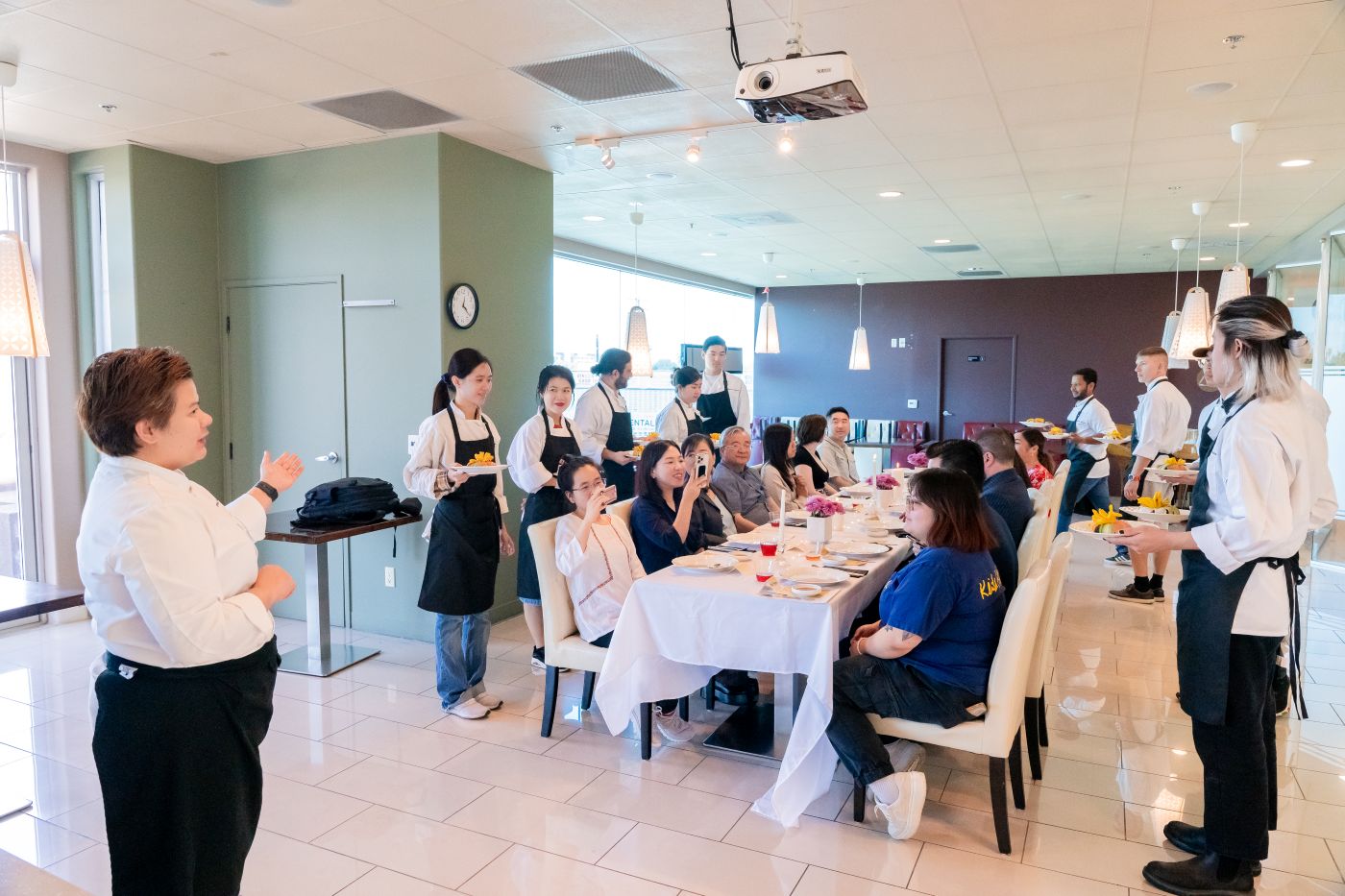
KCA students putting 'Operational Leadership' into practice during a real-world restaurant service simulation for Stanton University faculty.
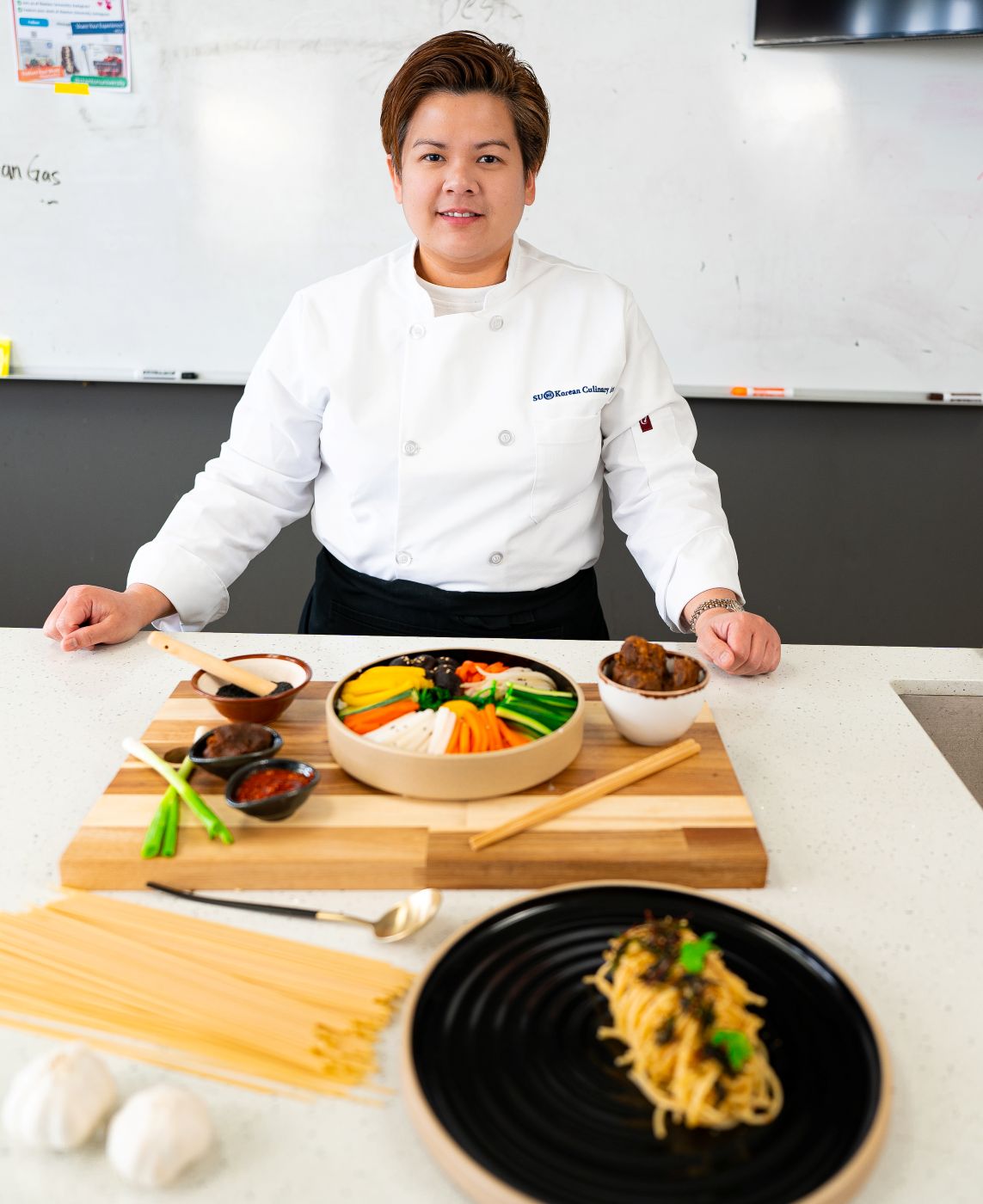
Chef Mafe Seva demonstrating the 'foundational mastery' and building blocks of flavor that define the KCA experience.
Integrating global techniques and operational leadership with immersive real-world simulation.
ANAHEIM, CA, UNITED STATES, April 20, 2026 /EINPresswire.com/ -- In a culinary landscape increasingly shaped by global fusion and high-pressure operational demands, Stanton University’s Korean Culinary Arts (KCA) program is forging a distinct path. By combining three major strategic pillars—foundational mastery of regional flavors, rigorous kitchen brigade leadership, and immersive industry exposure—Stanton is moving beyond traditional recipe-based teaching to a comprehensive, student-centered professional philosophy.
While many institutions focus on individual cuisines, Stanton’s leadership is framing these moves as an interconnected strategy designed to create "career-ready" chefs capable of delivering exceptional dining experiences from day one.
The Three Core Commitments
The university’s culinary strategy is built on three core commitments that have been rolled out over the past academic cycle:
Uncompromising Foundational Mastery: The journey begins with the "building blocks of flavor." Students in the Basic Korean Cuisine courses move past simple recipes to master the essentials: knife skills, professional chicken fabrication, and the art of crafting authentic, soulful broths from scratch. By focusing on the "aroma of tradition," the program ensures that every student meets strict professional kitchen standards before advancing.
Operational Leadership and Structure: Stanton’s "Restaurant Service Operations" class shifts the focus from the plate to the professional environment. By stepping into leadership roles, students study the Kitchen Brigade system—learning how clear roles, communication, and teamwork create efficiency under pressure. This approach emphasizes that great service starts with structure and respect long before the food reaches the guest.
Immersive Industry Simulation: The university explicitly moves learning out of the "demo kitchen" and into the "real deal." Through the "Simulator-to-Sector" model, students train in industrial kitchen environments that replicate the time pressure of professional hotels and restaurants. This culminates in co-curricular activities, such as fine-dining experiences at renowned local venues where classroom theory meets real-world etiquette.
A Deliberate, Integrated Vision
A recent publication from the KCA department emphasizes that these are not isolated classes but a deliberate, integrated vision. “Our commitment is to the student’s entire professional journey,” a department representative stated. “Whether that means mastering a specific knife cut, understanding the hierarchy of a brigade, or feeling the pressure of a live midterm challenge, every decision is guided by one question: Does this prepare the student for the global culinary stage?”
This three-pronged approach creates a powerful synergy. A student may begin by learning the traditional techniques of regional Korean cuisine, apply those skills under the structure of a professional brigade, and finally showcase their growth in immersive end-of-quarter events.
Graduate with the World on Your Plate
Industry analysts note that Stanton’s model is particularly noteworthy for its focus on "Modern Global Trends." By using Korean cuisine as a foundation for teaching international techniques and cross-cultural flavor profiles, Stanton removes the cultural and technical barriers that often limit new chefs.
“Many programs teach you how to cook; Stanton teaches you how to perform,” commented one independent hospitality analyst. “By simulating actual service conditions and requiring live 'action plans' during midterms, Stanton ensures its graduates don’t just know recipes—they know how to adapt and deliver when it counts.”
The university asserts that this model allows it to serve a diverse student body looking to enter one of the most dynamic industries today. By prioritizing the "Building Blocks of Success," Stanton is positioning itself not just as a culinary school, but as a strategic partner in each student’s long-term career aspirations.
“Our mission is to empower future chefs to graduate with the world on their plate,” the representative concluded. “This integrated strategy is our commitment made real—providing a stable, supportive, and professionally-paced platform for students to begin their culinary story.”
Stanton Media
Stanton University
+1 714-539-6561
email us here
Visit us on social media:
LinkedIn
Instagram
Facebook
YouTube
Legal Disclaimer:
EIN Presswire provides this news content "as is" without warranty of any kind. We do not accept any responsibility or liability for the accuracy, content, images, videos, licenses, completeness, legality, or reliability of the information contained in this article. If you have any complaints or copyright issues related to this article, kindly contact the author above.
